
Ethnographic training in action at the Pos Lanai, Kuala Lipis, Pahang
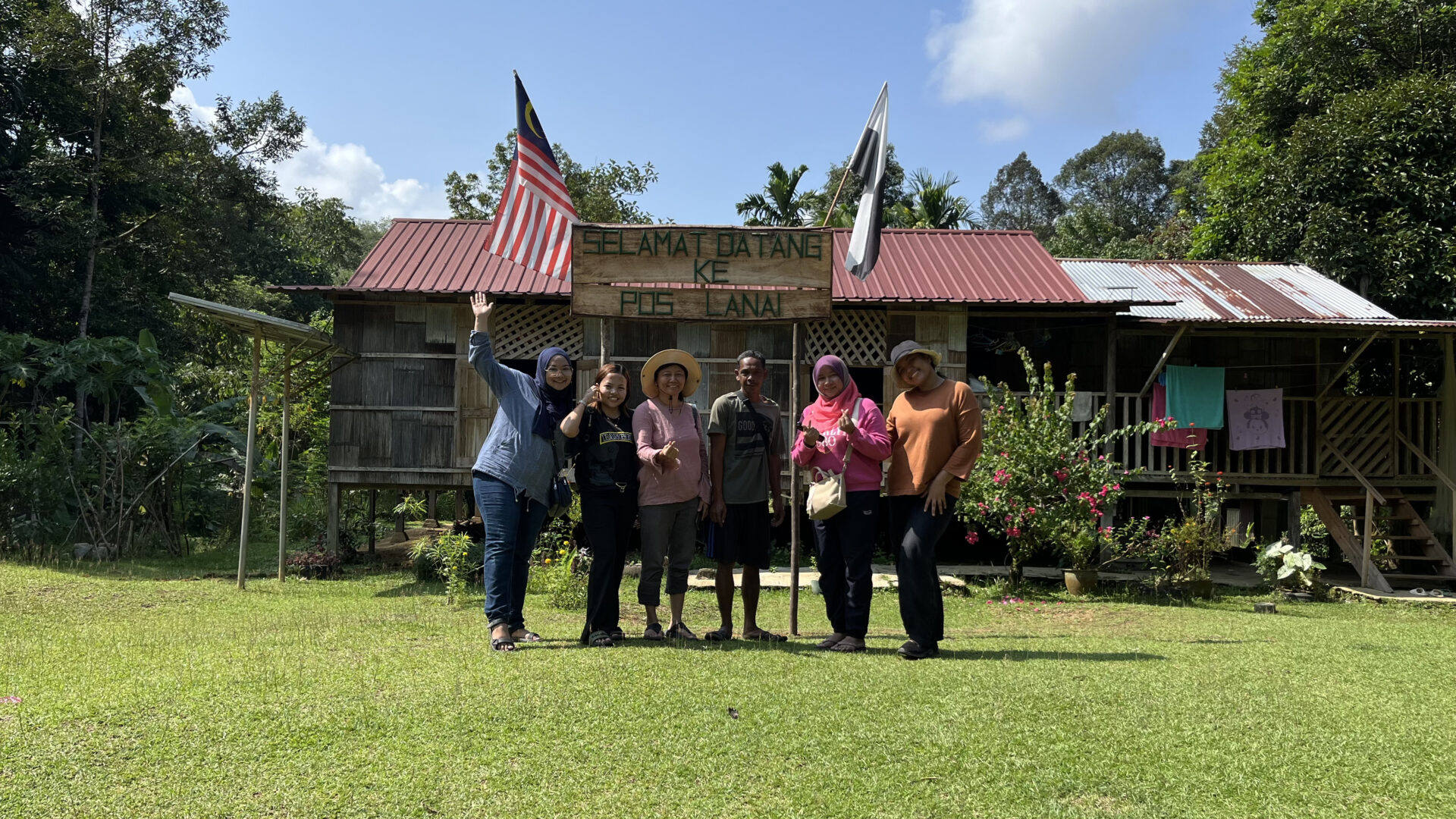
From 27 to 29 September 2024, the Voices of the Rainforest anthropology team visited Pos Lanai, an indigenous village in the district of Kuala Lipis, Pahang, Malaysia. The team, led by Dr Zanisah Man and comprising four research assistants—Nur Izzati Abdullah, Nur Iman Kamarudin Azhar, Qayherah Ahmad Zam Zam, and Shazleeza Izlyn Yusaimi—undertook the visit to provide training to the research assistants as part of the reconnaissance phase of their ethnographic fieldwork.
A glimpse into indigenous education
First, the team visited Sekolah Kebangsaan Lanai, the primary school serving the Semai indigenous community. They were fortunate to meet the dedicated teachers and, despite the school’s remote location, the teachers’ passion for education was unmistakably evident.
At the school, they conducted in-depth interviews with three experienced teachers to gain insight into their experiences teaching indigenous students and the unique challenges they face in the classroom. The teachers shared their perspectives on how the current national curriculum is applied in this rural setting and how it can effectively meet the needs of Semai children. The teachers also provided valuable insights into the Semai community’s traditional ecological practices and the potential for creating a more relevant and culturally appropriate curriculum.
A warm welcome by the community
The journey to Pos Lanai was an adventure in itself, requiring nearly an hour-long boat ride that passed through several traditional villages of the indigenous community. Upon arriving at Pos Lanai, the team was warmly welcomed by the Chairman of the Jawatankuasa Bertindak Pos Lanai, Mr Jeffry Hassan, and his family, along with the Village Chief, Tok Batin Tuny Amir.
As a gesture of appreciation, the team organised a feast for the community, inviting nearby villages to join the celebration. The feast featured unique dishes prepared by the women of the Semai community, showcasing traditional recipes passed down through generations. Many of the ingredients were sourced directly from the surrounding forests and local plants within the village, while the rice served was cultivated in the village’s own hill rice fields.
Following the dinner, the evening was dedicated to listening to stories shared by the elder members of the Semai community. They recounted tales of their ancestors, customs, and beliefs, as well as the delicate balance they strive to maintain with the environment. The Semai’s profound knowledge of their land and its resources is truly remarkable, serving as a testament to their enduring connection with nature and their deep cultural heritage.
Exploring the forest and agricultural activities
The team visited a hill rice cultivation site managed by the Semai indigenous community. On the second day, they hiked through the paddy hills and participated in maintaining the paddy plantations. Hill rice farming serves as the Semai people’s primary agricultural activity and main source of food, practised through a traditional method of shifting cultivation.
Mr Salim, the landowner, explained that before clearing land for cultivation, the community performs a ritual known as the Sewang ceremony to invoke the spirit of rice. This ritual is believed to ensure a bountiful harvest and protect the crops from damage or misfortune. The practice reflects the community’s spiritual connection to the land and their deep respect for the natural elements involved in agriculture.
Later, the team explored the surrounding rainforest, where the Semai community shared insights into the rich biodiversity they depend on. The forest is not only a place of remarkable beauty but also a vital source of food, medicine, and materials. Along the trail, plants commonly used in traditional remedies were identified and explained, including Tongkat Ali (Eurycoma longifolia Jack) and Kacip Fatimah (Labisia pumila Benth), both known for their medicinal properties.
The team also learned the meticulous process of harvesting bamboo shoots, demonstrated by the Semai locals. This was accompanied by stories of cultural taboos, such as Teru’. Teru’ refers to specific dietary restrictions, including prohibiting menstruating women from eating, touching, or even being near bamboo shoots. Such practices highlight the community’s belief in the forest as a living entity, governed by spirits and forces that must be respected to maintain harmony.
A deep connection to the land
As the team departed from Pos Lanai, they reflected on the profound lessons learned from a community that has not only survived but thrived for centuries. Despite ongoing challenges in protecting their ancestral lands, the resilience of the Semai people and their deep connection to the land remain a source of inspiration.