
The 14th International Malaysian Studies Conference (MSC 14)
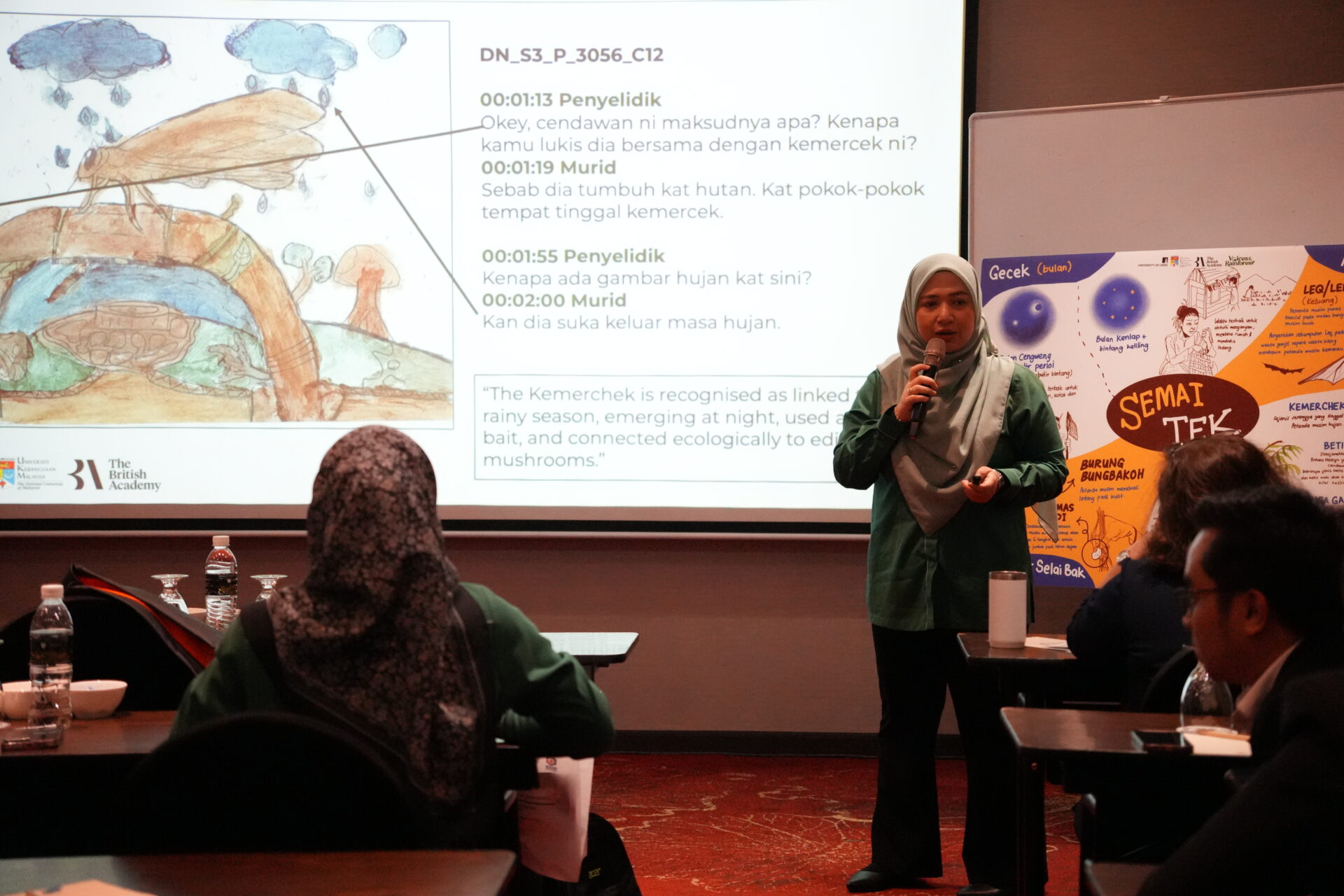
The 14th International Malaysian Studies Conference (MSC 14) took place from 12–13 August 2025 at the Waterfront Hotel, Kuching. Highlighting the theme Sustainable Development, Vulnerabilities and Resilience: Malaysia and ASEAN, MSC14 gathered social sciences and humanities scholars and researchers to share research insights and reflections on Malaysian studies. MSC14 aimed to connect scholars to share ideas and explore issues related to the theme, as well as to strengthen the field of Malaysian studies within the wider context of sustainable development and resilience in Malaysia and ASEAN. Voices of the Rainforest presented six papers in total comprising both institutional panels and individual presentations by Dr Syafiq Mat Noor, Dr Siti Nur Diyana Mahmud, Dr Zanisah Man, Dr Nur Izzati Abdullah, Nurfatin Nadia Mohd Suhaimi, Qayherah Ahmad Zam-Zam, Nur Iman Kamarudin Azhar and Shazleeza Izlyn Yusaimi.
Traditional ecological knowledge (TEK) and climate change adaptation: A critical review
Nur Izzati Abdullah; Syafiq Mat Noor
Institutional Panel | 12 August 2025 | 10:15 to 11:30 | Yellow Room
Traditional ecological knowledge (TEK) plays a crucial role in climate change adaptation, as reinforced in the Paris Agreement (Article 7, Paragraph 5), which states that adaptation actions should follow a participatory approach, consider communities and ecosystems, and be based on and guided by the traditional knowledge of indigenous peoples. Berkes (2018) conceptualises TEK as a dynamic and evolving system of knowledge, practice, and belief, passed down through generations, enabling communities to understand and interact with their environment through cultural transmission and adaptive processes. One key challenge lies in the limited integration of TEK into modern climate strategies due to systemic barriers, including policy gaps, scientific oversight, and the marginalisation of indigenous worldviews. This critical review examines the role of TEK in climate adaptation through the Berkes’ four interlocking levels of TEK, which encompasses local knowledge, ecological practices, social institutions, and worldviews. Local knowledge, which includes empirical observations and survival values, remains crucial for detecting environmental changes, such as shifts in rainfall patterns and animal behaviour. Land and resource management systems, rooted in ecological practices, highlight the role of TEK in agricultural planning and drought adaptation. Social institutions play a key role in preserving the continuity of TEK through generational knowledge and community leadership. Lastly, worldviews shape the role of TEK in climate strategies, where spiritual beliefs and nature-based interpretations often coexist. Despite the significant role of TEK in climate change adaptation, as illustrated by previous studies, its reliance on oral transmission makes it vulnerable to erosion over time. In addition, Western scientific models often fail to acknowledge Indigenous methodologies, while inadequate policy support hinders its broader implementation. Therefore, adaptive strategies are essential for integrating TEK into climate change adaptation frameworks, ensuring its continued relevance and impact.
Indigenous children’s conceptual understanding of traditional ecological knowledge (TEK) and climate change
Nurfatin Nadia Mohd Suhaimi; Syafiq Mat Noor; Siti Nur Diyana Mahmud
Institutional Panel | 12 August 2025 | 10:15 to 11:30 | Yellow Room
Traditional ecological knowledge (TEK) is not a static commodity but a dynamic “knowledge‐practice‐belief complex”; however, its intergenerational transmission has degraded over the years due to the loss or alteration of traditional social organisations, customary norms, and established rules of resource use and management. In Malaysia, the structure of the education system has replaced or subordinated indigenous social institutions, leaving traditional leaders with little power or influence. This study aims to understand intergenerational TEK and climate change among young children to support conservation ecology. We investigated indigenous children’s conceptual understanding of TEK and climate change using creative, arts-based methodologies. A total of 240 primary school-aged children (7–12 years old) from the Semai, Jakun, and Jahai sub-groups participated in this study. Data were collected through children’s drawings and follow-up narrations conducted in 12 indigenous schools across the states of Johor, Kelantan, Pahang, and Perak in Malaysia. The responses from both the drawing and narration activities were analysed using a rubric for conceptual understanding of TEK and climate change, which was formulated based on anthropological research and existing literature. The findings reveal that while most indigenous children in Malaysia possess foundational knowledge of TEK specific to their sub-groups, their understanding is less advanced than that of elders in their communities. With regard to climate change, children demonstrate only basic or emerging levels of understanding. This study provides a significant contribution to policy and practice by demonstrating that, although various efforts have been implemented to assist indigenous children in adapting to the existing education system—similar to that of non-indigenous children—these systems inadvertently leave TEK largely unrecognised among young children. Furthermore, the degradation of TEK has impacted the ways in which children conceptualise climate change, affecting their capacity to utilise indigenous ways of knowing to adapt to and mitigate its effects. In general, the degradation of TEK among children in Malaysia is widespread, and this threat will pose significant risks to the potential of indigenous communities in addressing climate change.
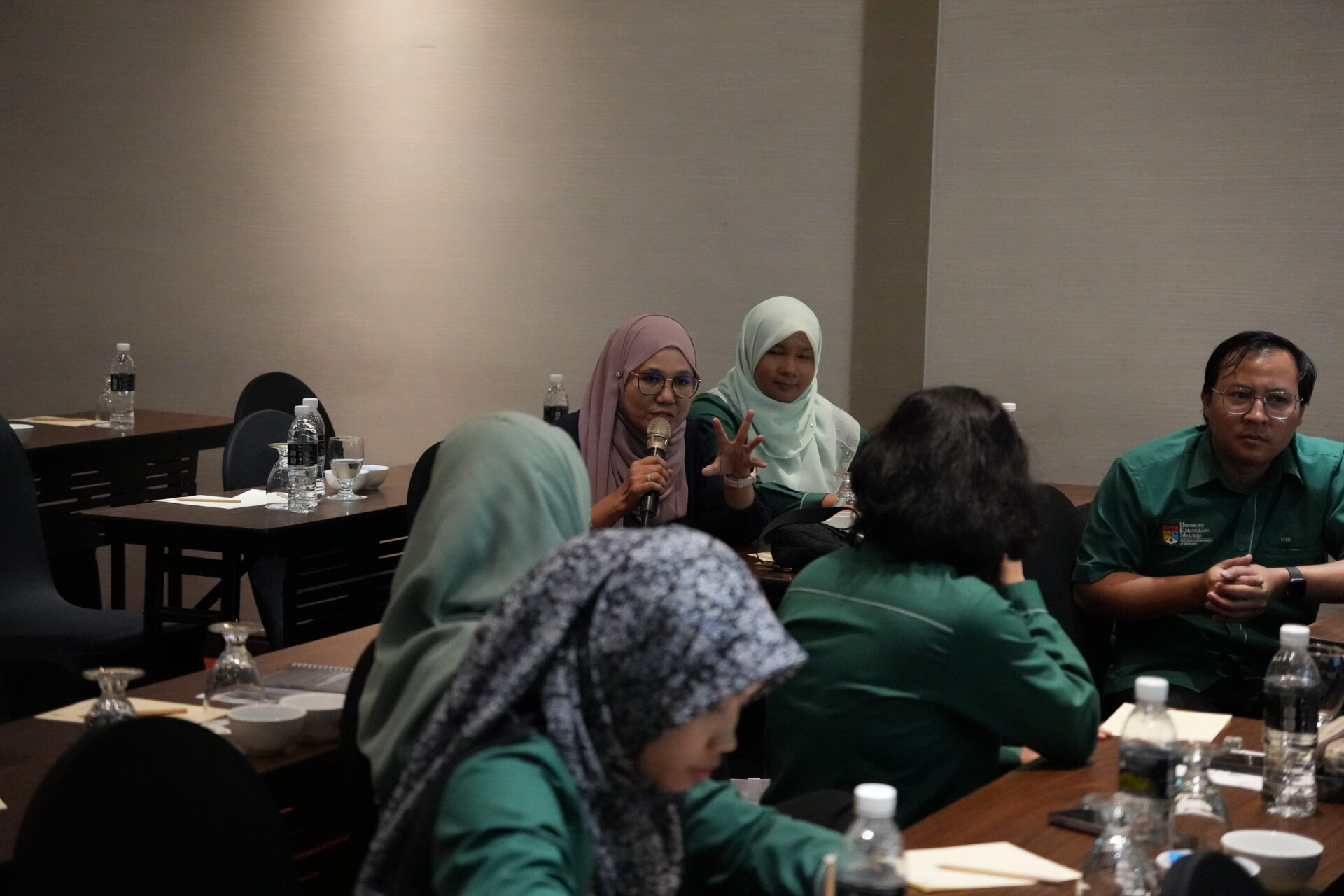
A Q&A and sharing session by Associate Professor Dr Nor Hafizah Selamat from Universiti Sains Malaysia took place at the end of the Institutional Panel of Voices of the Rainforest.
Understanding moon cycles for seasonal agricultural activities among the indigenous Semai communities in Pahang
Nur Iman Kamarudin Azhar; Zanisah Man
Institutional Panel | 12 August 2025 | 10:15 to 11:30 | Yellow Room
The indigenous Semai communities in Pahang are scattered across the areas of Lembah Jelai, in the district of Lipis, leading to slight differences in their agricultural practices compared to those of the Semai communities in Perak. In Pahang, the indigenous Semai communities continue their traditional seasonal agricultural activities, such as paddy cultivation. This activity is traditionally carried out after the dry season ends, when the monsoon winds that bring rain shift, typically around August to September. The maturation period for paddy cultivation ranges from 130 to 150 days, and its irrigation system relies on the tropical rainforest climate, including rainfall, springs, and the flow of small rivers. This study aims to explore the indigenous seasonal calendar and the application of traditional ecological knowledge within the indigenous Semai communities in Pahang as a means of understanding how they adapt to climate change. Data were gathered through a three-month rapid ethnographic study and a series of focus group discussions. In-depth interviews were conducted with four key informants from the indigenous Semai community in Kampung Lanai. The data from these interviews were triangulated with insights from several knowledgeable key informants during a series of focus group discussions in the indigenous settlement areas of Pos Betau and Kampung Kuala Koyan with the indigenous Semai communities. The analysis revealed that the indigenous Semai communities observe the cycles of the moon as an indicator of the appropriate timing for agricultural activities, particularly paddy cultivation, as moon phases significantly influence vegetation responses and animal behaviours. The indigenous Semai communities held a strong belief that animals such as birds, rodents, and insects were highly active during the full moon phase due to the high level of ‘sweetness’ from the nearly ripe rice crop. This study provides a significant contribution by showing that, despite the climate change challenges faced by the indigenous Semai communities, such as temperature and rainfall variations, they still hold strong traditional ecological knowledge related to the seasonal calendar based on the phases of the moon for agricultural activities, which they utilise to adapt to climate change.
Learning retention challenges in indigenous education in Malaysia: Can a lasting solution be found?
Syafiq Mat Noor; Siti Nur Diyana Mahmud
Individual Presenter | 12 August 2025 | 16:15 to 17:30 | Yellow Room
The issue of learning retention—the ability of children to recall and apply knowledge over time—among indigenous children, shaped by a centralised education system with colonial roots, including in Malaysia, has gained significant attention in scholarly discussions worldwide. The challenges of learning retention have consequently affected indigenous children’s school retention rates, particularly during the transition to secondary education. These ongoing issues remain unresolved, leaving teachers in indigenous schools in a continuous dilemma, despite various initiatives they have implemented through their own efforts. Hence, this study aims to explore the learning retention challenges in indigenous education in Malaysia through the application of the theory of practice architectures, providing an in-depth examination of the extent to which teachers negotiate this issue. We studied three main subgroups of indigenous communities—Jahai, Jakun, and Semai—which belong to the broader Negrito, Malay-Proto, and Senoi indigenous groups in Peninsular Malaysia, respectively. The study was conducted in the states of Johor, Kelantan, Pahang, and Perak. Data were collected through phenomenological interviews with 41 indigenous and non-indigenous teachers, in-person observational visits to 12 indigenous schools, and an analysis of curriculum documents used by teachers and schools. The cultural-discursive, material-economic, and social-political arrangements within the theory of practice architectures were utilised as the theoretical foundation to understand learning retention challenges in indigenous education. The findings revealed that indigenous children struggle with learning retention due to language barriers and an irrelevant national curriculum (cultural-discursive), lack of home learning support and the widespread use of mobile phones and social media (material-economic), and indigenous parenting practices that emphasise child autonomy, leading to irregular school attendance (social-political). This comprehensive, first-of-its-kind study provides a significant contribution to policy and practice by demonstrating how the centralised education system has impacted indigenous education. The quickest solution would be to implement a culturally responsive curriculum; however, is this a realistic reform or just an unattainable ideal?
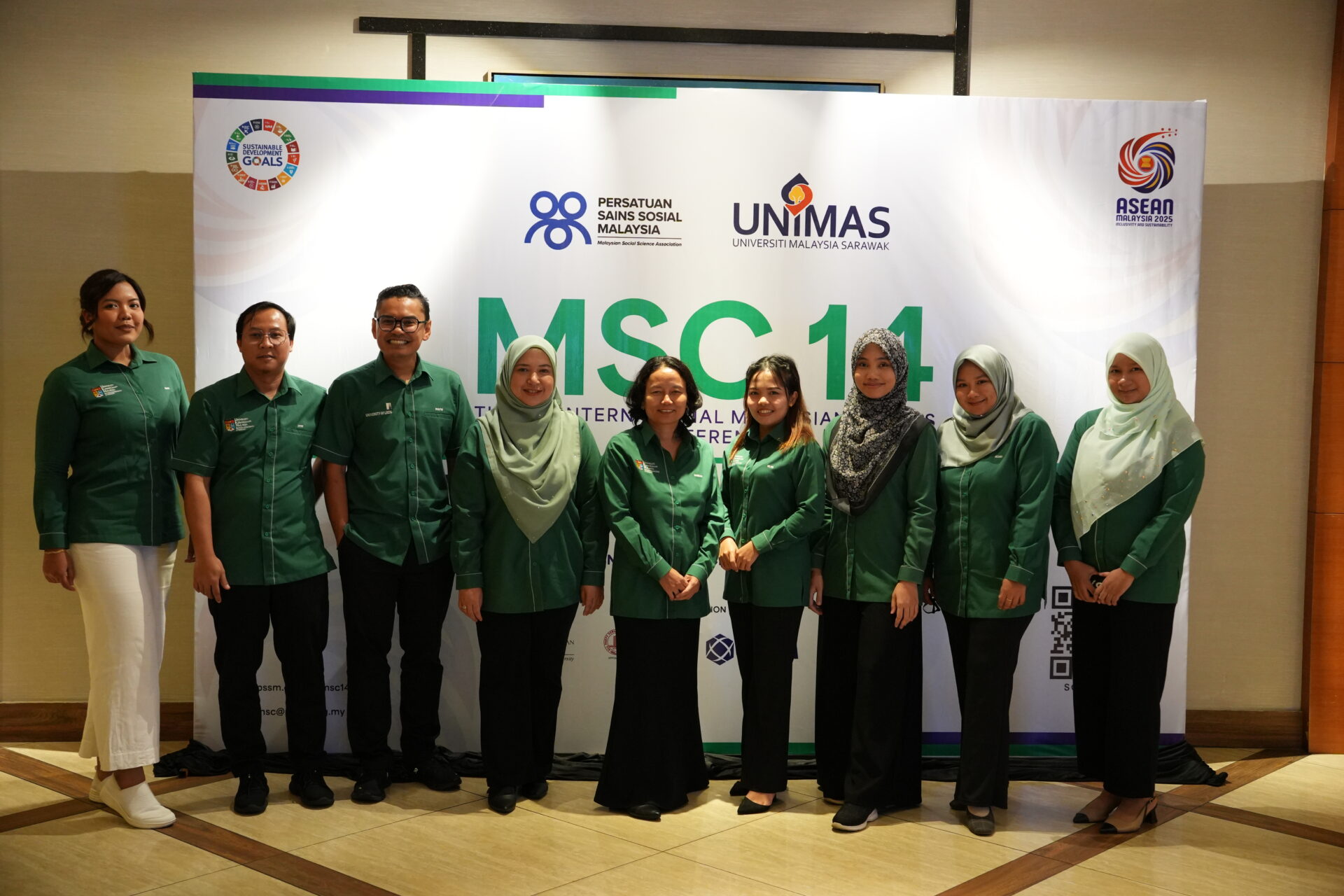
The Voices of the Rainforest team at the 14th International Malaysian Studies Conference (MSC 14), held at the Waterfront Hotel in Kuching.
The practice and challenges of ‘per-eng’ as a taboo among the indigenous Jahai communities in avoiding tiger encounters
Qayherah Ahmad Zam-Zam; Zanisah Man
Individual Presenter |13 August 2025 | 14:00 to 15:15 | Blue Room
In Malaysia, numerous human-tiger conflicts have arisen due to habitat loss and deforestation, particularly in Johor, Pahang, Negeri Sembilan, and southern Perak. This has forced wildlife initiatives to translocate tigers for conservation to the northern region of Peninsular Malaysia, specifically to the northern areas of Perak and Kelantan, which include vast tropical rainforests that are also home to the indigenous Jahai communities. This study aims to explore the practice and challenges of ‘per-eng’ as a taboo among the indigenous Jahai communities in avoiding tiger encounters. Per-eng (literally translated as ‘smell’) is an important taboo within the traditional ecological knowledge of the indigenous Jahai communities, involving the avoidance of creating smells—such as from squeezing insects, producing smoke, or eating certain foods—before entering the forest to prevent tigers from detecting their presence. A rapid ethnographic study was conducted involving nineteen key informants from the indigenous Jahai communities in the settlement areas of Air Banun, and the Royal Belum State Park, in the district of Gerik, Perak, to examine the relationship between the practice of per-eng and the challenges faced in tiger translocation initiatives. The findings revealed that tiger translocation initiatives posed major challenges for the indigenous Jahai communities, disrupting their lives, including their indigenous local practices. The indigenous Jahai communities reported that tiger behaviour differed significantly between translocated tigers and those from their original habitat in the nearby rainforest. Despite the continued practice of per-eng, it is no longer effective in preventing encounters with translocated tigers. Several cases have been reported in which indigenous individuals have been attacked by translocated tigers. As a result, the indigenous people are now hesitant to enter the rainforest, which has traditionally been a source of their livelihood, providing forest resources for food and income. This study provides significant contributions to policy and practice that despite conservation efforts to translocate tigers as a response to human-tiger conflicts in certain areas, the rainforest areas where the Jahai communities reside are now more vulnerable than ever.
The practices of ‘bela kampung’ for climate change adaptation among the indigenous Jakun communities
Shazleeza Izlyn Yusaimi; Qayherah Ahmad Zam-Zam; Zanisah Man
Individual Presenter |13 August 2025 | 14:00 to 15:15 | Blue Room
‘Bela Kampung’ (literally translated as ‘Defend the Village’) is a traditional ritual practice commonly observed among the indigenous Jakun communities in the states of Johor and Pahang. Despite the fact that Bela Kampung has been documented in scholarly publications, its role in indigenous ways of knowing and climate adaptation remains unknown. This study applies Berkes’ (2018) conceptualisation of traditional ecological knowledge to examine how indigenous Jakun communities practise Bela Kampung in response to climate change. A rapid ethnographic approach was used for data collection, including interviews with six key informants from October 2024 to January 2025 and in-person observations of ritual occasions conducted at Kampung Denai in the district of Rompin in February 2025. Traditionally, Bela Kampung has been performed to protect the village from misfortune, particularly from a ‘dragon’ or ‘large snake’ (as believed in indigenous Jakun communities), to foster harmony between the physical and spiritual realms, and to promote the sustainable use of natural resources in alignment with indigenous environmental ethics. Traditional ecological knowledge embedded within the indigenous Jakun communities plays a key role in guiding the Bela Kampung ritual, particularly in how the communities adapt to climate change. Knowledge of natural cues, such as animal behaviour (e.g. the appearance of snakes) and weather patterns (e.g. floods), helps ensure that Bela Kampung aligns with ecological balance. In response to climate instability, they have adapted their practices by incorporating alternative natural materials, adjusting ritual schedules to account for changing climatic conditions, and strengthening oral traditions for intergenerational knowledge transfer. Traditional healers and elders, as primary custodians of knowledge, guide these adaptations while preserving the ritual’s symbolic and spiritual integrity. Based on our observations, Bela Kampung remains a resilient practice, reflecting the ability of the indigenous Jakun communities to integrate traditional ecological knowledge into their responses to climate change while preserving their cultural and ecological values.