
The 16th Conference of the European Science Education Research Association (ESERA 2025)
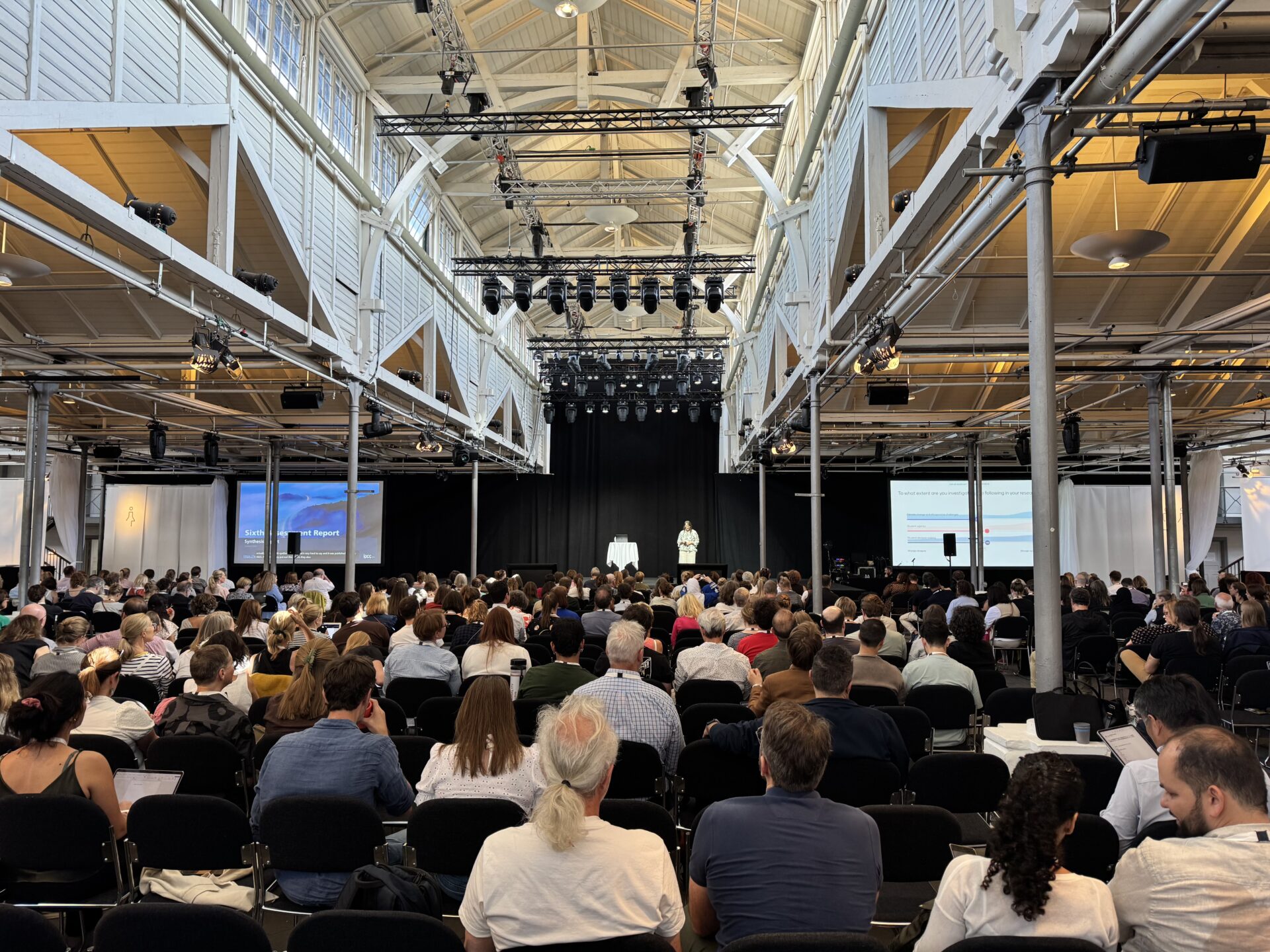
The 16th Conference of the European Science Education Research Association (ESERA 2025) was held from 25–29 August 2025 at Øksnehallen, Copenhagen, Denmark. With the theme, Transitions in Science Education: Sustainability and Digital Advances, ESERA 2025 brought together more than 1,750 international scholars and researchers to exchange ideas and explore transformative directions in science education. ESERA 2025 aimed to address how ongoing digital and environmental transitions influence education, and how teaching and learning can, in turn, contribute to societal transformation. The Voices of the Rainforest team, represented by Dr Syafiq Mat Noor and Muhammad Zulfadhli Kamarudin, participated in ESERA 2025 with three presentations: one oral presentation, one poster presentation, and one exploratory seminar, each aligned with different sub-themes of the conference.
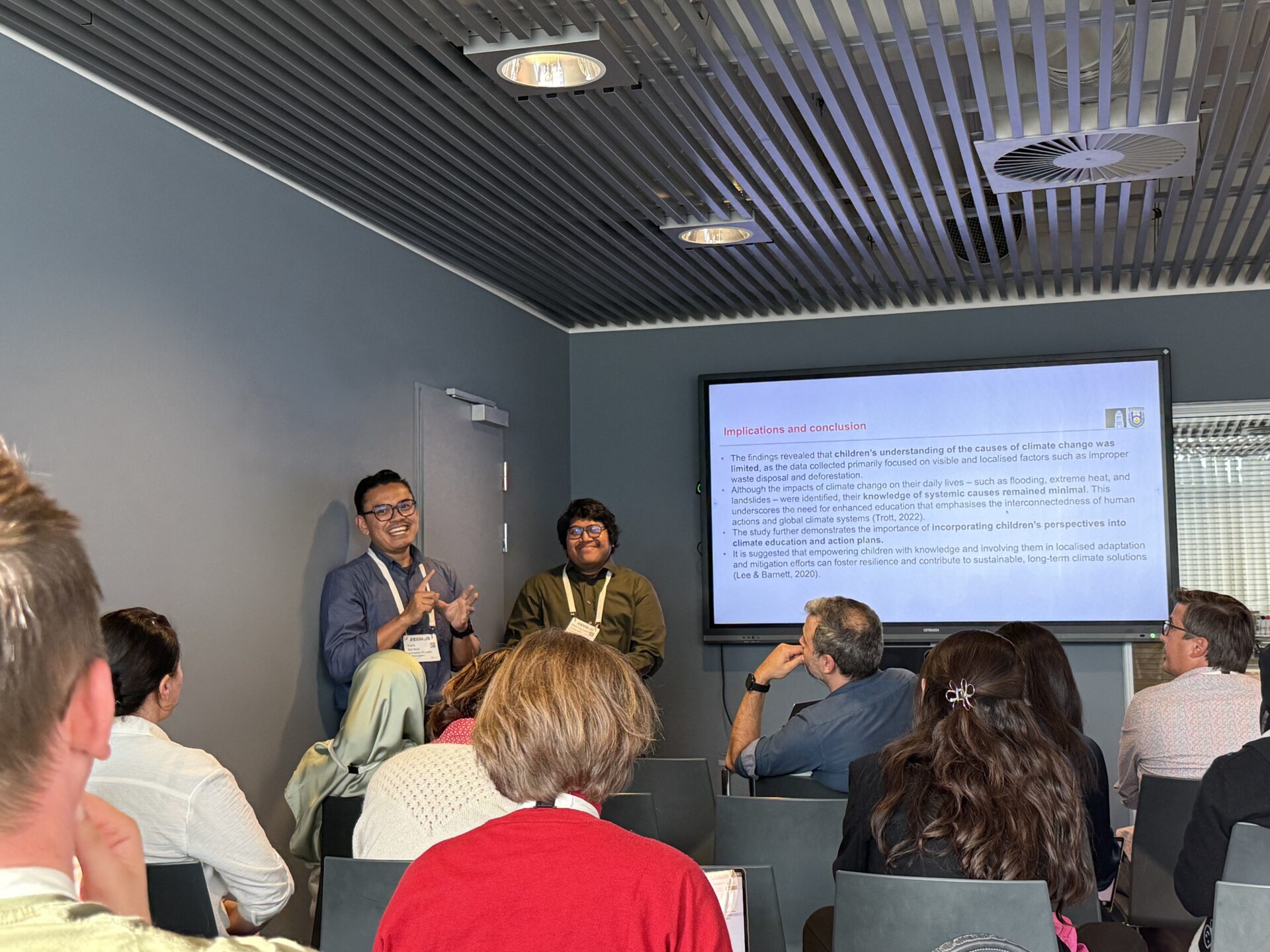
Dr Syafiq Mat Noor and Muhammad Zulfadhli Kamarudin presented findings from Voices of the Rainforest, based on analyses from the teachers’ interviews.
Exploring teachers’ views on indigenous education, traditional ecological knowledge (TEK), and climate change
Syafiq Mat Noor; Siti Nur Diyana Mahmud; Nur Izzati Abdullah; Zanisah Man
Oral Presentation| 26 August 2025 | 17:00 to 18:30 | Christiania CPH C
This study explores the views of teachers in Malaysia on indigenous education, traditional ecological knowledge (TEK), and climate change. TEK, recognised in the Paris Agreement, is a dynamic, place-based system of knowledge that evolves through intergenerational interactions and adaptation to environmental changes. Despite TEK’s crucial role in climate change, Malaysia’s postcolonial legacy and highly centralised education system have contributed to its erosion. Employing a phenomenological approach, semi-structured interviews were conducted with 41 teachers across 12 indigenous primary schools in Malaysia to understand their views on these issues. The data were analysed using reflexive thematic analysis, combining both inductive and deductive approaches to examine three overarching themes: indigenous education, TEK, and climate change. Findings reveal significant challenges, including language barriers, curriculum misalignment, and cultural differences, which hinder the effective integration of indigenous knowledge and climate concepts into education. Teachers possess limited firsthand knowledge of TEK but incorporate some local practices into their teaching, while modernisation and land transformation further threaten TEK’s preservation. In addition, teachers have a limited understanding of climate change and struggle to make it relatable to indigenous children, for instance, by focusing more on practical challenges and localised environmental changes. This study makes a significant scholarly contribution by identifying critical gaps in the integration of indigenous education, TEK, and climate change into the curriculum, providing a foundation for future studies to develop more inclusive and contextually relevant curriculum, pedagogy and assessment frameworks.
A scoping review of traditional ecological knowledge in climate change education
Syafiq Mat Noor; Muhammad Zulfadhli Kamarudin
Poster Presentation| 27 August 2025 | 11:00 to 12:30 | Østerbro CPH C Poster Area 2
This scoping review examines studies that incorporate TEK into climate change education, identifying key themes in its implementation. A systematic search of Scopus and Web of Science identified 34 relevant studies, including journal articles, book chapters, and reviews, covering both Global North and Global South contexts. Five major themes emerged: culturally relevant and place-based learning, holistic and interdisciplinary approaches, challenges in integrating TEK, community and participation, and policy and structural factors. Culturally relevant and place-based learning was the most discussed theme, highlighting the importance of embedding climate education in local contexts through indigenous practices, languages, and cosmologies. Holistic and interdisciplinary approaches stress the need to integrate scientific, cultural, and environmental perspectives for a comprehensive understanding of socio-ecological challenges. However, there are challenges related to integrating TEK, namely epistemic exclusion, the dominance of Western scientific models, and institutional barriers like inadequate resources and teacher training. Addressing these issues requires systemic changes in curriculum design, teacher preparation, and policy frameworks. Community participation is key to ensuring climate education reflects local experiences, fostering collaboration and shared responsibility. Lastly, policy and structural factors underscore the need for supportive policies and greater curriculum autonomy to enable the effective integration of TEK. This review advocates for participatory approaches that involve local communities and prioritise culturally responsive pedagogy. It calls for further research to develop inclusive frameworks and strategies that effectively integrate TEK, address existing barriers, and promote interdisciplinary and holistic climate change education on a global scale.
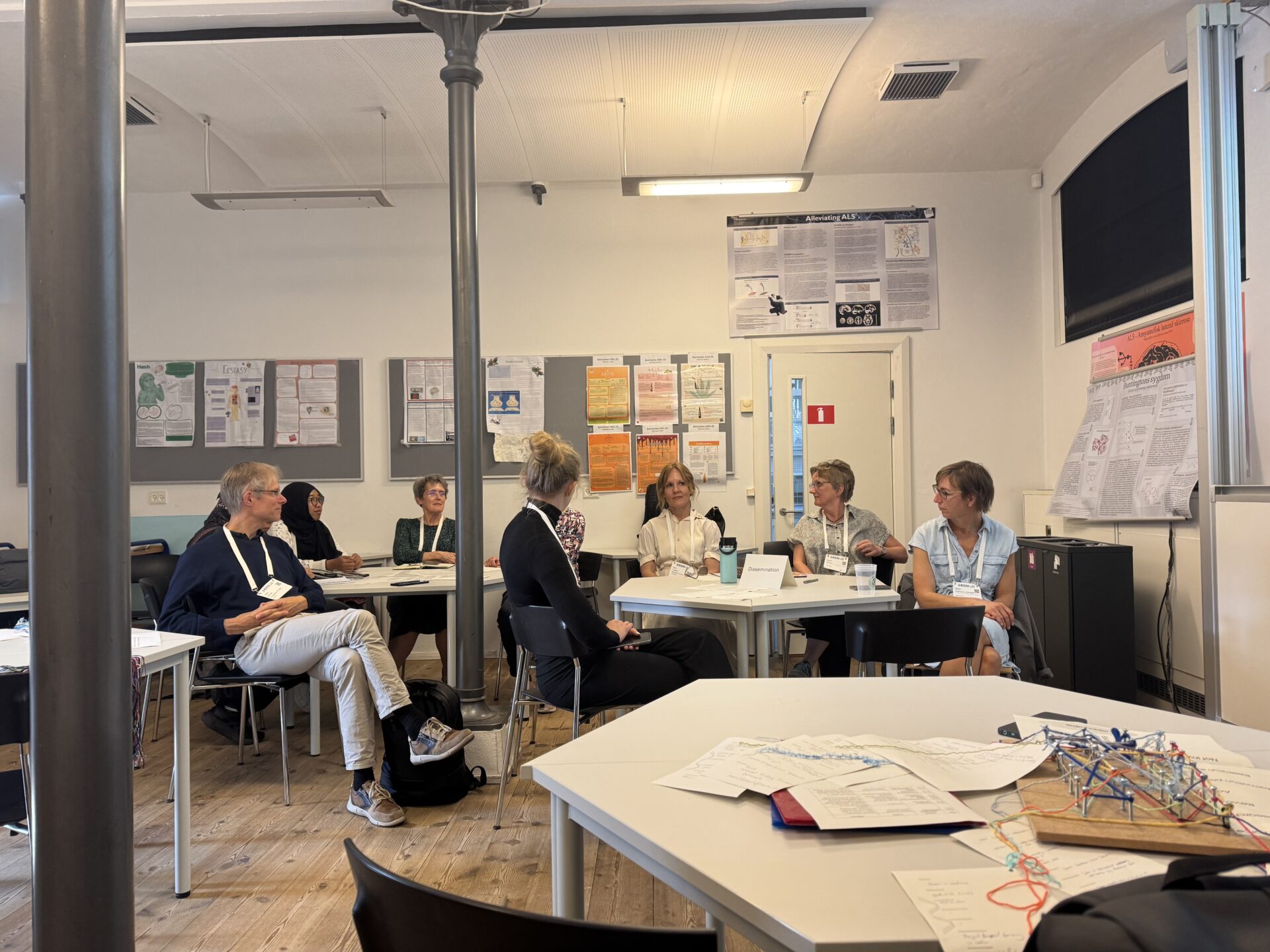
The exploratory seminar, co-organised by the University of Leeds and the University of Kiel, was well attended by many prominent science education scholars.
Traditional ecological knowledge and climate change education: Opportunities for science educators and researchers
Syafiq Mat Noor; Vanessa Kind; Sara Tolbert
Exploratory Seminar| 27 August 2025 | 15:00 to 16:30 | Rysensteen Bygning 83 Lokale BT
Traditional Ecological Knowledge (TEK) refers to a cumulative body of knowledge, practices, and beliefs passed down through generations via cultural transmission (Berkes, 2018). As the impacts of climate change become increasingly pronounced, researchers are exploring the potential of TEK to enhance our understanding of local challenges and to support the development of adaptation strategies. TEK has long been recognised within the science education community as a vital resource for indigenous communities, particularly in their efforts to adapt to and mitigate the impacts of climate change (Kim et al., 2017). Despite its immense value, TEK has not been adequately integrated into climate change education, presenting an opportunity for the development of a large-scale international curriculum project. The aim of this exploratory seminar is to invite science educators and researchers to form partnerships and collaboratively develop a funding bid focused on TEK and climate change education. The seminar will also showcase exemplary curriculum development, Voices of the Rainforest, which incorporates TEK into climate change education. This scholarship is developing new pathways of participatory research with local communities across the globe. Berkes’ conceptualisation of TEK offers a valuable framework for understanding climate change and crafting adaptation strategies. With the complexity and growing urgency of climate change, there is an increasing need for innovative, interdisciplinary and multi-scalar research that integrates different ways of knowing. By fostering partnerships between TEK and scientific knowledge, we can develop further understanding of local and global climate impacts and build more effective solutions.